
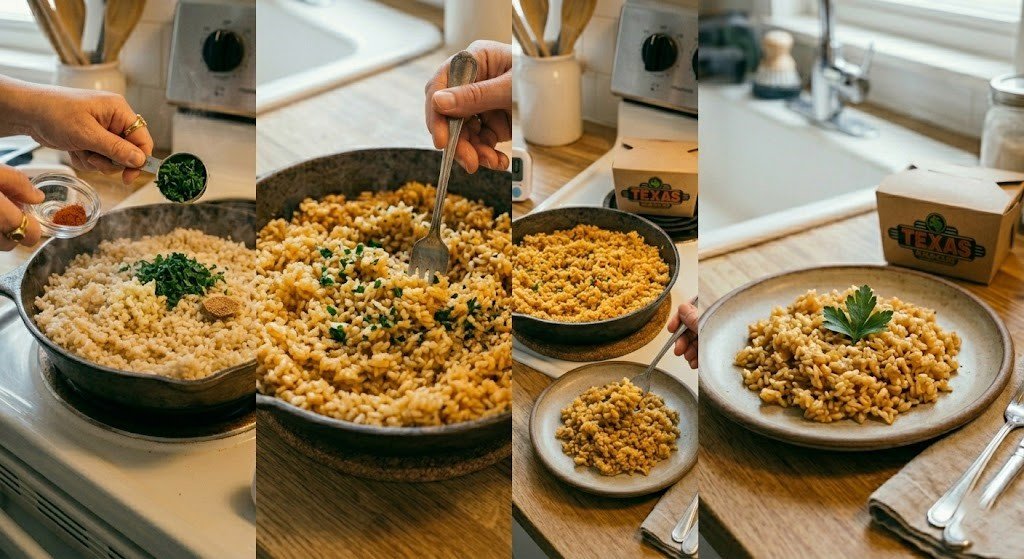
Texas Roadhouse seasoned rice is a flavorful rice pilaf known for its buttery richness, smoky spices, and slightly spicy kick.
Recipe Overview
- Prep Time: 10 minutes
- Cook Time: 25 minutes
- Resting Time: 5 minutes
- Total Time: 40 minutes
- Cuisine: American
- Course: Side Dish
- Servings: 4 people
- Estimated Cost: $5
This copycat version recreates the restaurant-style side dish with simple pantry ingredients, keeping the texture light and fluffy.
Hi, my name is Dipendra Kumar. I am a chef. I like to cook food for my family and relatives. They called me a pro chef. I uploaded videos on social media.
It pairs easily with a variety of main dishes and can also stand alone as a satisfying comfort food.
What Makes This Recipe Special
This recipe stands out because of its cooking technique. Toasting the rice in butter before simmering enhances the flavor and prevents it from becoming mushy.
The combination of paprika, garlic, onion, and broth creates a deep, savory taste that is both bold and balanced.
Unlike plain rice, every grain is infused with seasoning, giving it a rich, restaurant-style finish.
Why You’ll Love This Recipe
This dish is simple, budget-friendly, and requires minimal preparation. It uses common ingredients and can be made in one pan, making cleanup easy.
The recipe is versatile, allowing you to adjust spice levels, switch broth types, or add vegetables. It also stores well, making it suitable for meal prep.
Ingredients
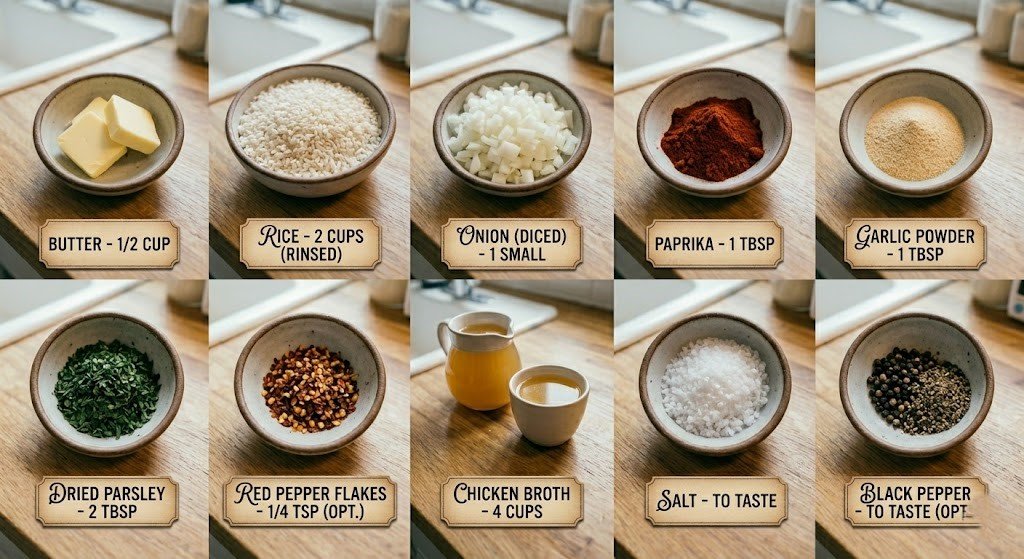
| Ingredient | Quantity | Notes |
|---|---|---|
| Butter | 1/2 cup | Unsalted preferred |
| Long-grain white rice | 2 cups | Rinse thoroughly |
| Onion (diced) | 1 small | Adds flavor base |
| Paprika | 1 tablespoon | Adds color and mild smokiness |
| Garlic powder | 1 tablespoon | Provides depth |
| Dried parsley | 2 tablespoons | For flavor and garnish |
| Red pepper flakes | 1/4 teaspoon | Optional heat |
| Chicken broth | 4 cups | Can substitute with vegetable broth |
| Salt | To taste | Adjust at the end |
| Black pepper | To taste | Optional seasoning |
Equipment
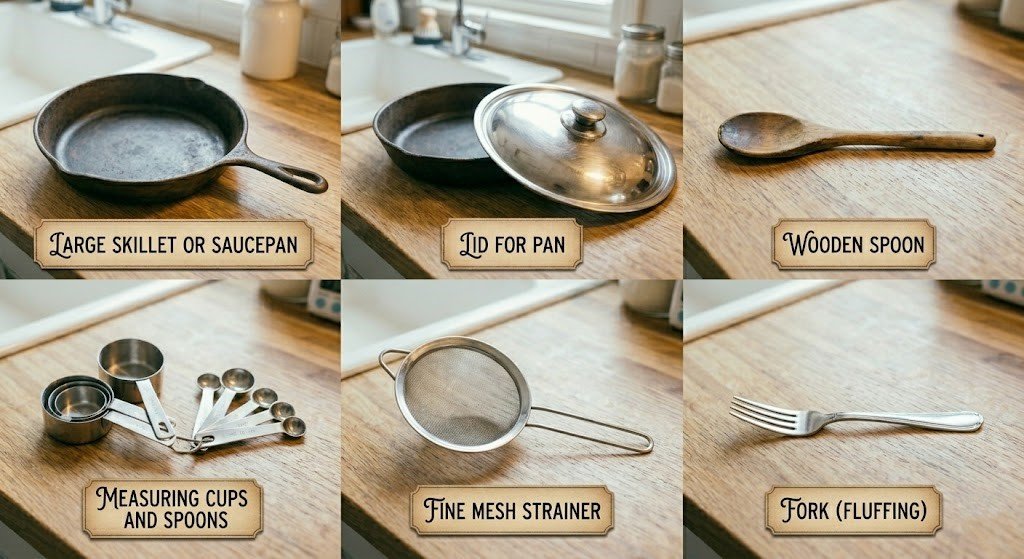
| Equipment | Purpose |
|---|---|
| Large skillet or saucepan | Cooking the rice evenly |
| Lid for pan | Trapping steam during cooking |
| Wooden spoon | Stirring ingredients |
| Measuring cups and spoons | Accurate ingredient measurement |
| Fine mesh strainer | Rinsing rice |
| Fork | Fluffing cooked rice |
Step-by-Step Instructions
Step 1: Rinse the Rice
Place the rice in a strainer and rinse under cold water until the water runs clear. This removes excess starch and helps keep the grains separate.
Step 2: Melt the Butter
Heat a large skillet over medium heat. Add butter and allow it to melt completely, coating the bottom of the pan.
Step 3: Toast the Rice
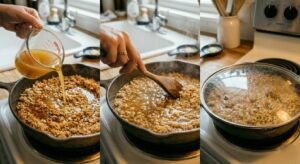
Add the rinsed rice to the pan. Stir continuously for 5–7 minutes until the rice becomes lightly golden and gives off a nutty aroma. This step is essential for flavor and texture.
Step 4: Add Onion and Seasonings
Stir in diced onion, paprika, garlic powder, parsley, and red pepper flakes. Cook for 2–3 minutes until the onion softens and the spices become fragrant.
Step 5: Add Liquid
Pour in the chicken broth and stir well to combine all ingredients evenly. Bring the mixture to a gentle boil.
Step 6: Simmer
Reduce the heat to low, cover the pan with a lid, and allow the rice to simmer for 20–25 minutes. Avoid lifting the lid frequently to maintain steam.
Step 7: Rest the Rice
Turn off the heat and let the rice sit covered for 5 minutes. This allows the remaining moisture to absorb and improves texture.
Step 8: Fluff and Serve
Use a fork to gently fluff the rice. Season with salt and black pepper to taste. Serve warm.
Recipe Tips
To achieve the best results, always rinse the rice thoroughly. Skipping this step can lead to sticky or gummy rice.
Toasting the rice evenly is also important; stir constantly to prevent burning. When simmering, keep the lid closed to trap steam and ensure even cooking.
Letting the rice rest after cooking is another key step that improves fluffiness.
Tips for Perfect Texture
Use long-grain rice because it holds its shape better than short-grain varieties. Maintain the correct liquid-to-rice ratio to avoid dryness or excess moisture.
If the rice appears undercooked, add a small amount of liquid and continue cooking on low heat.
Avoid over-stirring during cooking, as this releases starch and can make the rice sticky.
Variations and Customization
This recipe can be adjusted based on preference. For a spicier version, increase red pepper flakes or add cayenne pepper.
To make it milder, omit the spicy ingredients entirely. You can replace chicken broth with vegetable broth for a vegetarian option.
Brown rice can also be used, though it requires a longer cooking time and more liquid.
Adding vegetables like peas, carrots, or bell peppers enhances both flavor and nutrition. For a richer taste, a small amount of soy sauce can be added, though it is optional.
Serving Suggestions
This seasoned rice pairs well with a variety of dishes. It complements grilled meats, roasted chicken, seafood, and even vegetarian mains.
It can also be used as a base for rice bowls, burritos, or stir-fries. Because of its bold flavor, it works as both a side dish and a standalone meal.
Storage and Reheating
Allow the rice to cool completely before storing. Transfer it to an airtight container and refrigerate for up to 4–5 days.
For longer storage, place the rice in freezer-safe bags and freeze for up to 3 months.
To reheat, add a small amount of water or broth to the rice and warm it in the microwave or on the stovetop.
Covering the rice while reheating helps retain moisture and prevents it from drying out.
Common Mistakes and Fixes
If the rice turns mushy, it is usually due to excess liquid or overcooking. Reduce the liquid slightly next time and monitor cooking time carefully.
If the rice is dry or undercooked, add a small amount of liquid and continue cooking on low heat.
Skipping the rinsing step can lead to sticky rice, while stirring too frequently during cooking can break the grains.
Maintaining the correct heat level and keeping the lid on are essential for proper results.
Nutrition Information (Per Serving Approx.)
- Calories: 350–390 kcal
- Carbohydrates: 50–60 g
- Protein: 6–9 g
- Fat: 15–20 g
- Saturated Fat: 8–10 g
- Sodium: 500–800 mg
- Fiber: 1–2 g
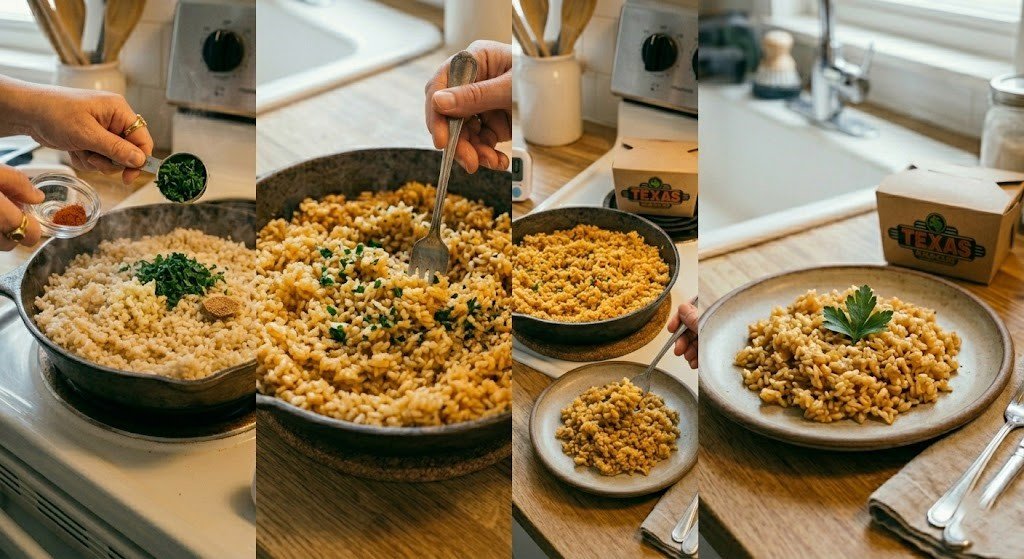
Texas Roadhouse Seasoned Rice Recipe
Ingredients
Equipment
Method
- Rinse the rice under cold water until the water runs clear, then drain well.

- Melt butter in a large skillet over medium heat. Add the rice and cook for 5–7 minutes, stirring constantly, until lightly browned.

- Add diced onion, paprika, garlic powder, parsley, and red pepper flakes. Stir and cook for 2–3 minutes until fragrant.

- Pour in the chicken broth, stir well, and bring to a boil. Reduce heat to low, cover, and simmer for 20–25 minutes until the liquid is absorbed.
- Turn off the heat and let the rice rest covered for 5 minutes. Fluff with a fork, season with salt and black pepper, and serve warm.

Notes
- Rinsing the rice is important for a fluffy texture.
- Toasting the rice adds flavor and prevents it from becoming mushy.
- Adjust spice levels by increasing or reducing red pepper flakes.
- Add a splash of broth while reheating to restore moisture.
What is Texas Roadhouse seasoned rice made of?
It’s made with long-grain white rice, butter, onion, paprika, garlic powder, parsley, and chicken broth.
Why do you toast the rice before cooking?
Toasting adds a nutty flavor and helps keep the rice fluffy instead of mushy.
Can I make this rice without chicken broth?
Yes, you can use vegetable broth or water, but broth gives better flavor.
Why did my seasoned rice turn mushy?
Too much liquid or overcooking usually causes mushy rice.
Can I use brown rice instead of white rice?
Yes, but it needs more cooking time and extra liquid.
Conclusion
Texas Roadhouse seasoned rice is a simple yet flavorful dish that transforms basic ingredients into a rich and satisfying side.
The key lies in proper technique—rinsing, toasting, and controlled simmering. Once mastered, this recipe becomes a reliable addition to any meal plan.
Its versatility allows it to be adapted to different tastes, making it suitable for everyday cooking as well as special occasions.
Whether served alongside a main dish or enjoyed on its own, this seasoned rice delivers consistent flavor and texture every time.
